Silver Leaf: Identification, Biology & Management
By Dr. Glynn Percival
2019-07-31
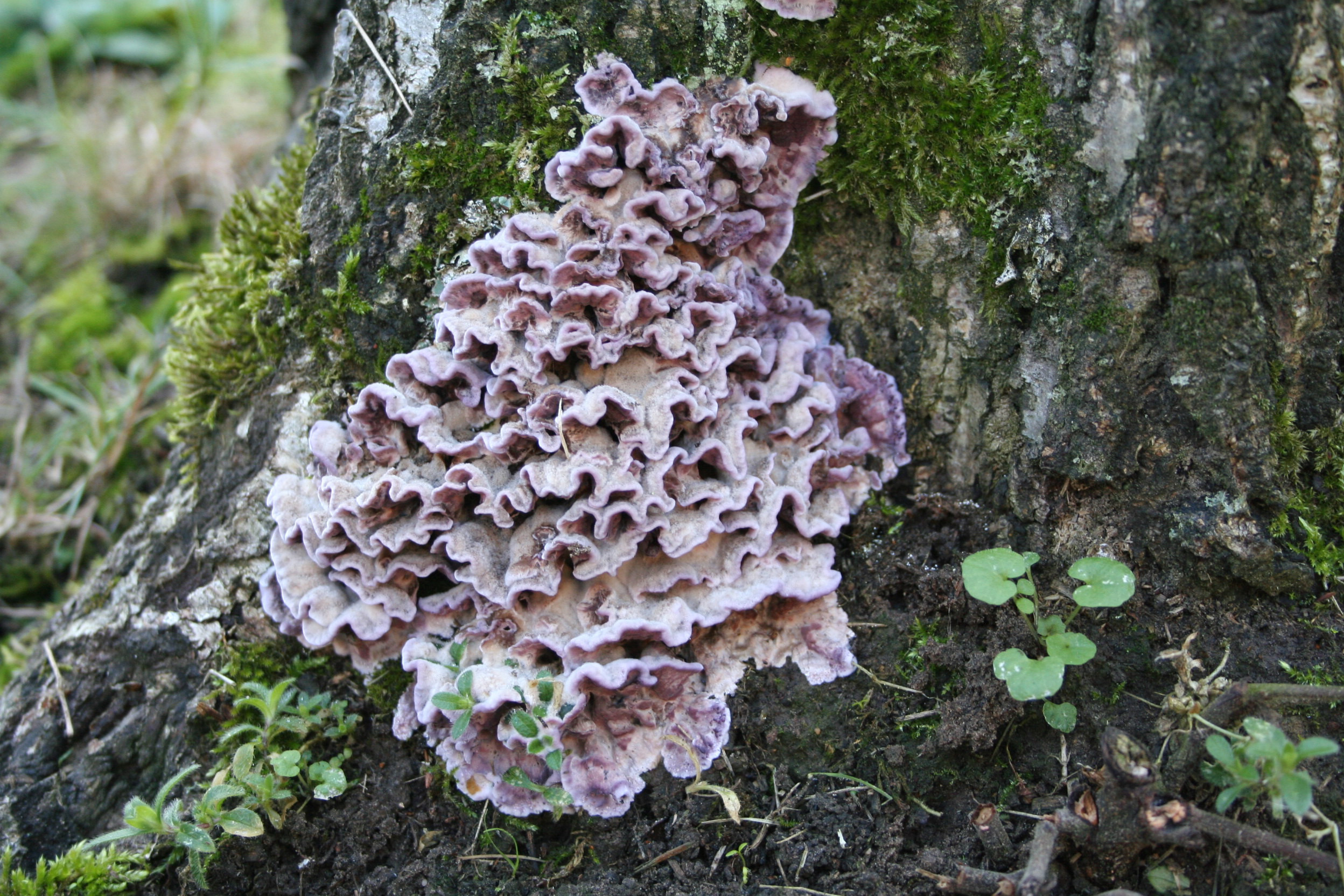
Silver leaf (Chondrostereum purpureum) is a world-wide fungal disease. Apple, pear, cherry, plum, poplar, willow, hawthorn, laburnum, rhododendron and rose species are all susceptible to attack. In addition, the fungus can move between different host plants. For example, silver leaf on peach will also cross-infect apple etc.
Symptoms
The silver leaf fungus enters the tree through wounds caused by mechanical, animal of environmental damage. The initial stages of decay appear as a reddish-brown stain. As decay advances the stain disappears and the wood becomes bleached. In the final stages of decay, wood is dry, light in weight, and white-mottled to pale yellow in colour.
The characteristic symptom of silver leaf is a silvery sheen on the foliage. Fungal toxins, and enzymes in the sap produced by the silver leaf fungus damage leaf cells. Light reflects through these damaged cells giving a silvery effect to infected foliage. Sucking
Leaves over the whole tree may be silvered if the fungus enters through a large wound whilst entry through smaller wounds may produce symptoms on just one branch.
The extent of silvering depends on tree species, age, vigour and the degree of infection. Some species, such as apples, show some silvering symptoms and then recover. Others become progressively more silvered and die.
Consequences of silver leaf infection include:
- Reduced leaf area.
- Death of leaves leading to a loss of nutrients reserves and subsequent plant starvation and death.
- Reduced root growth causing poor nutrition and an increased susceptibility to Phytophthora root rot diseases.
- Smaller and fewer fruit
- Reduced colour in fruit
- Poor fruit storage
- Tree death.
Management
Since the fungus produces most of its infectious spores in autumn and winter, carry out pruning of susceptible plants during the growing season (spring-summer) when fewer spores are present in the atmosphere and pruning wounds, the main point of entry for spores, heal quicker.
Where silver leaf develops the affected branch should be removed as a priority. Branches should be removed at a point 10 -15 cm beyond the area where the staining in the internal tissues ceases. Cutting equipment should be disinfected. Dispose (burn or chip) pruned material immediately, as fruiting bodies will still form if it is left lying on the ground.
Protecting pruning wounds using fungicide paints is recommended.
Plant vigour is an important factor in increasing resistance to attack and/or reducing severity of symptoms. Keep vigour high by fertilisation, watering and mulching. Phosphite sprays and/or soil drenches to stimulate tree vitality are also recommended.
If the tree succumbs to the disease and dies, remove and burn. When removing trees, remove the stump or cover stumps with soil to smother the fruiting bodies.