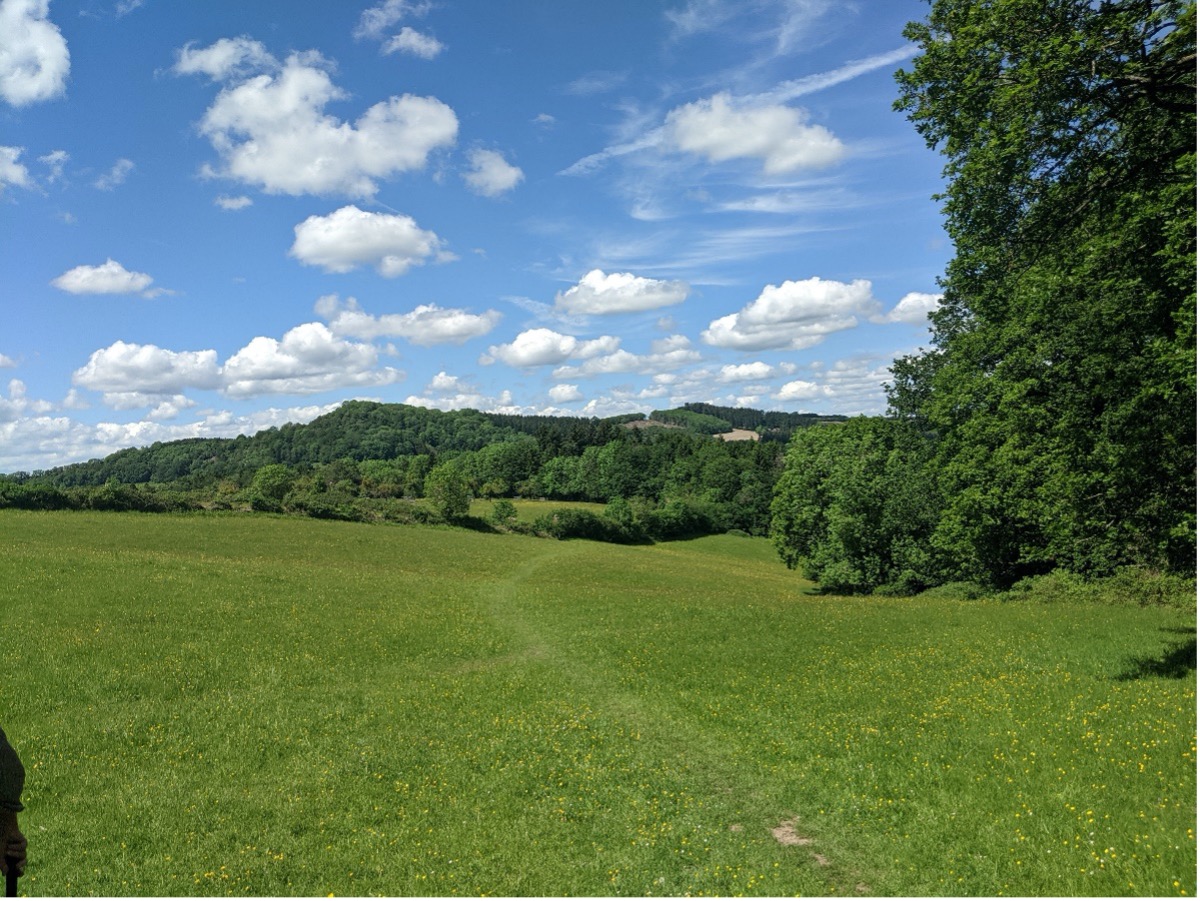
Haugh Wood Herefordshire visit 4th June 2021
By Mark Chester
2021-08-01
Haugh Wood in Herefordshire is a popular venue for guided tours, and it was no surprise that the RFS trip to this site was in demand.

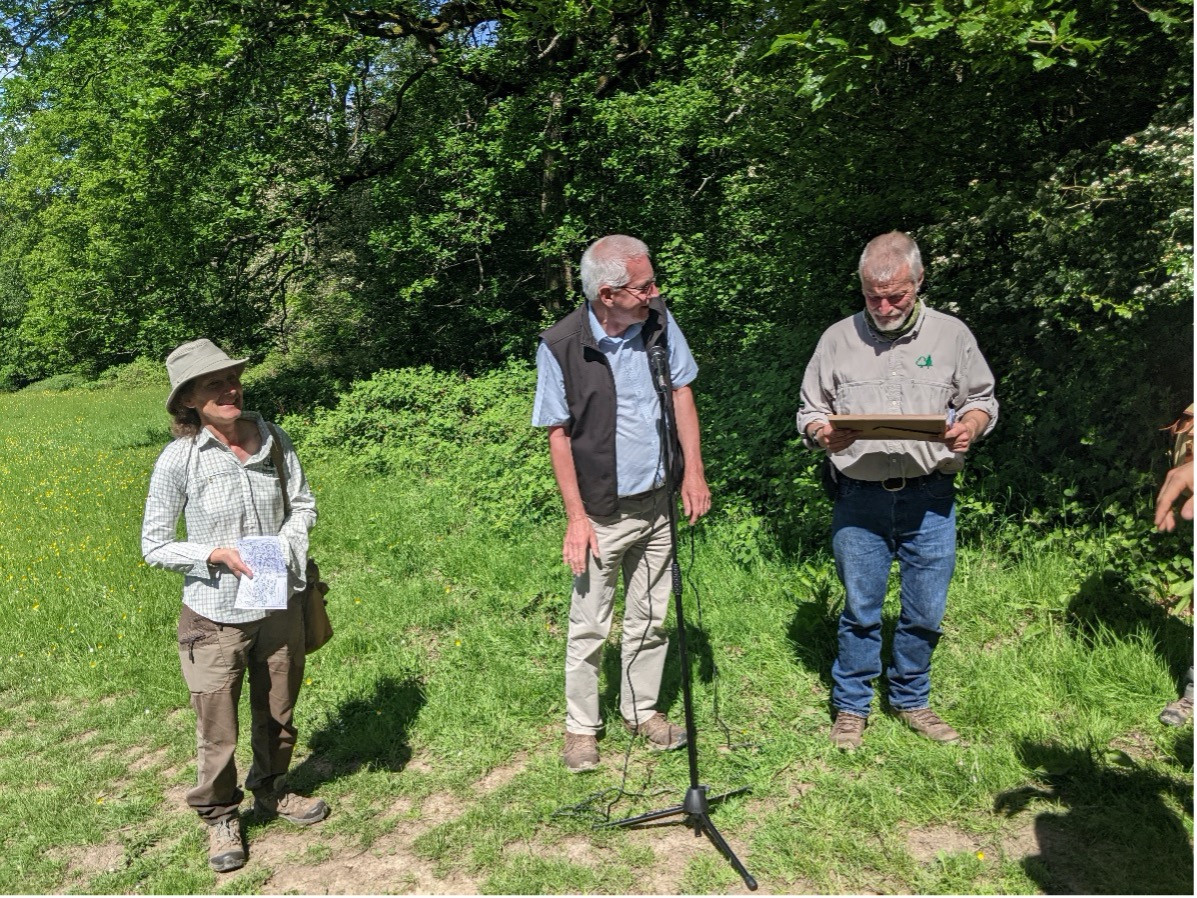
This is a popular venue each year, more so after the absence of meetings during 2020. It was fully booked soon after being announced! The event was led by Beat Forester David Sykes and Assistant Ecologist Kate Wollen. Rhona Goddard from Butterfly Conservation joined the group for the morning.

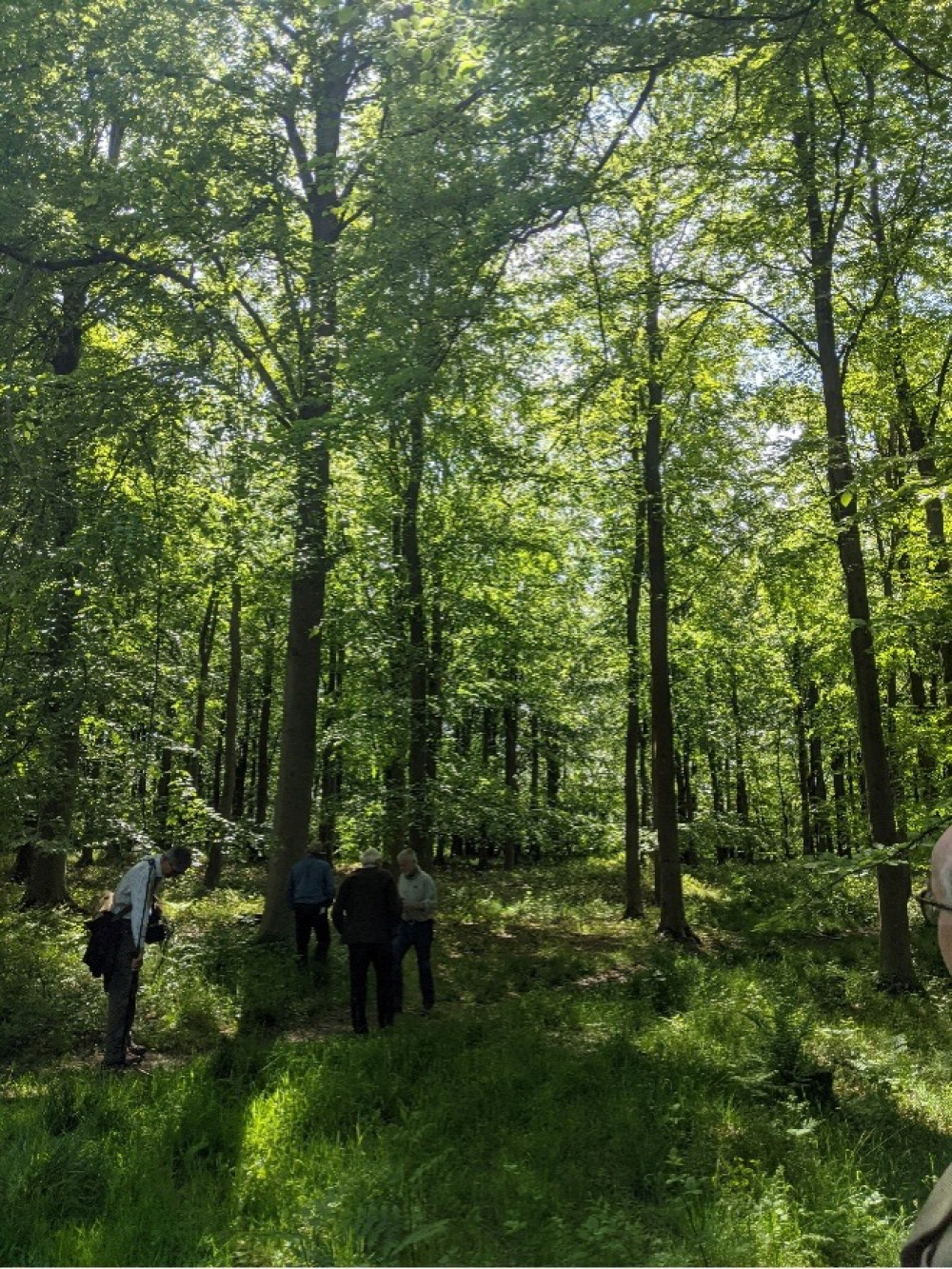
Haugh Wood is a 350ha site with Ancient Semi-Natural Woodland and is a PAWS site which was designated as SSSI due to its nationally important invertebrate population. The wider site contains coppice and ancient woodland at least 400 years old. RFS site visits usually have a focus on forestry, and so are not necessarily an obvious event for the arborist. The focus for this meeting, however, was an exploration of how the site is managed with emphasis on ecology and especially the notable local population of butterflies. I was keen to attend.
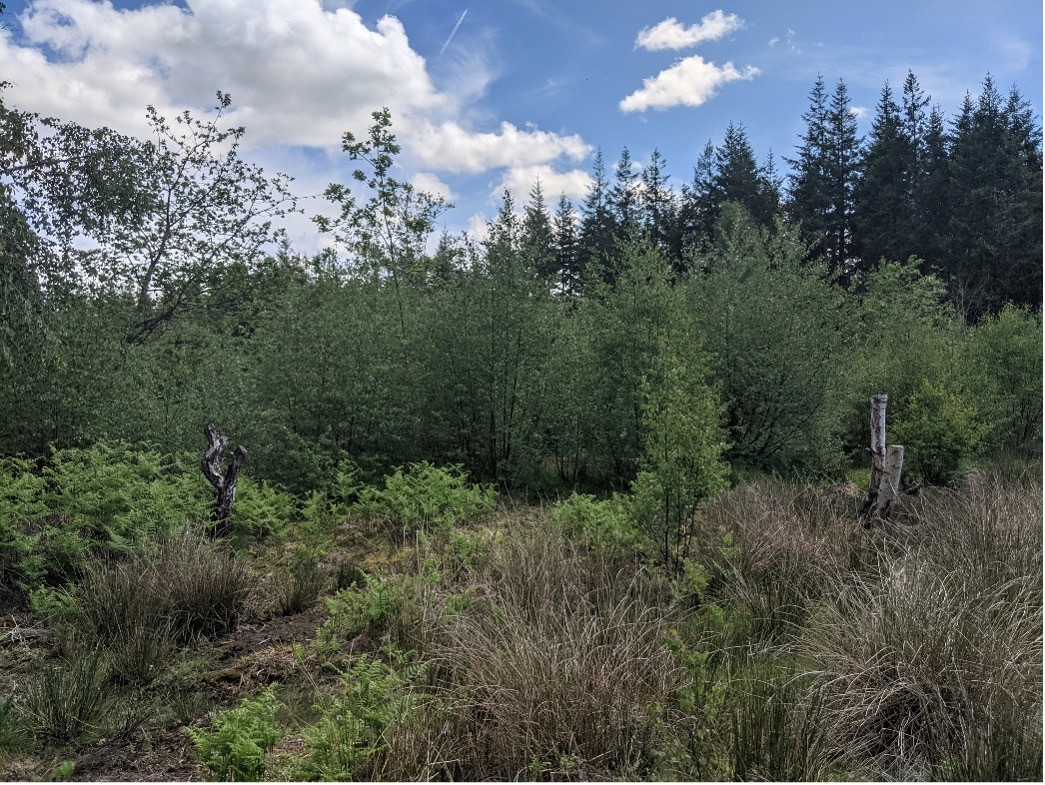
David explained how in the 1950s and 1960s, with the emphasis on timber production, conifer planting was the priority. With the consequential shading of habitat, there was a loss of fritillaries. Since the 1990s, the focus has been managing the site for butterflies, especially the Pearl-bordered Fritillary and the Wood White. Some 2.5ha of coppice is cut each year on a coop basis, under contract. This provides a diversity of habitat and as the coppice steadily regrows, different conditions are created which suit a range of invertebrate and other species including dormice.

Timber is harvested on a five-year cycle. Haugh Wood produces 300-500 tonnes per year (the district produced 250,000 tonnes per year). The emphasis is on managing the resource and not over-harvesting, which David prefers. David and Kate work closely to ensure that management practices are focused on the needs of wildlife. For example, brash hedges are left for cover and rides, the heart of the network, are managed to provide open spaces for butterflies.

The team is experimenting with the used of scallop edges. These involve taking surface scrapings from one part of the site and spreading them on the edge of a ride. This encourages plants on the edge of the ride that suit butterfly larvae. It also improves drainage to the rides, which David appreciates. The approach is a recent initiative, and the effectiveness is being keenly appraised by the team. Timing of operations is key to benefiting wildlife. In addition to no felling during the nesting season, extra care is taken when working in areas known for dormice during May to September.
Buddleia has been retained on the edge of one ride where, whilst it is invasive, it is an important source of nectar. Kate and a team of volunteers walk the site on a weekly basis to undertake the butterfly transect survey. This gives valuable long term species data. Rhona Goddard works closely with Forest England in advising and helping with butterfly management. Rhona has identified some 20 species of butterflies present. Her skills were evident during the tour as progressed and we were able to see some including several recently hatched.

One of the management approaches that David takes is to harvest trees and stack them by the rides for collection later. This does present challenges because newts can hibernate on the piles. Contrary to the perception that newts are mainly aquatic, David explained that in his experience, they breed in ponds and spend most time online. He has also witnessed some stacks disappearing due to local theft!
We explored some of the outlets for timber from this site. Beech from Haugh has been shipped straight to the continent but is more regularly used by local mills. The most recent went to Pontrillas Timber where it was used to make Locks for the Canals and Rivers Trust. Oak and is often processed at Pontrilas Timber, with the crown wood being used for firewood or charcoal. Western Red Cedar is used for fence posts and chipped for pallets.
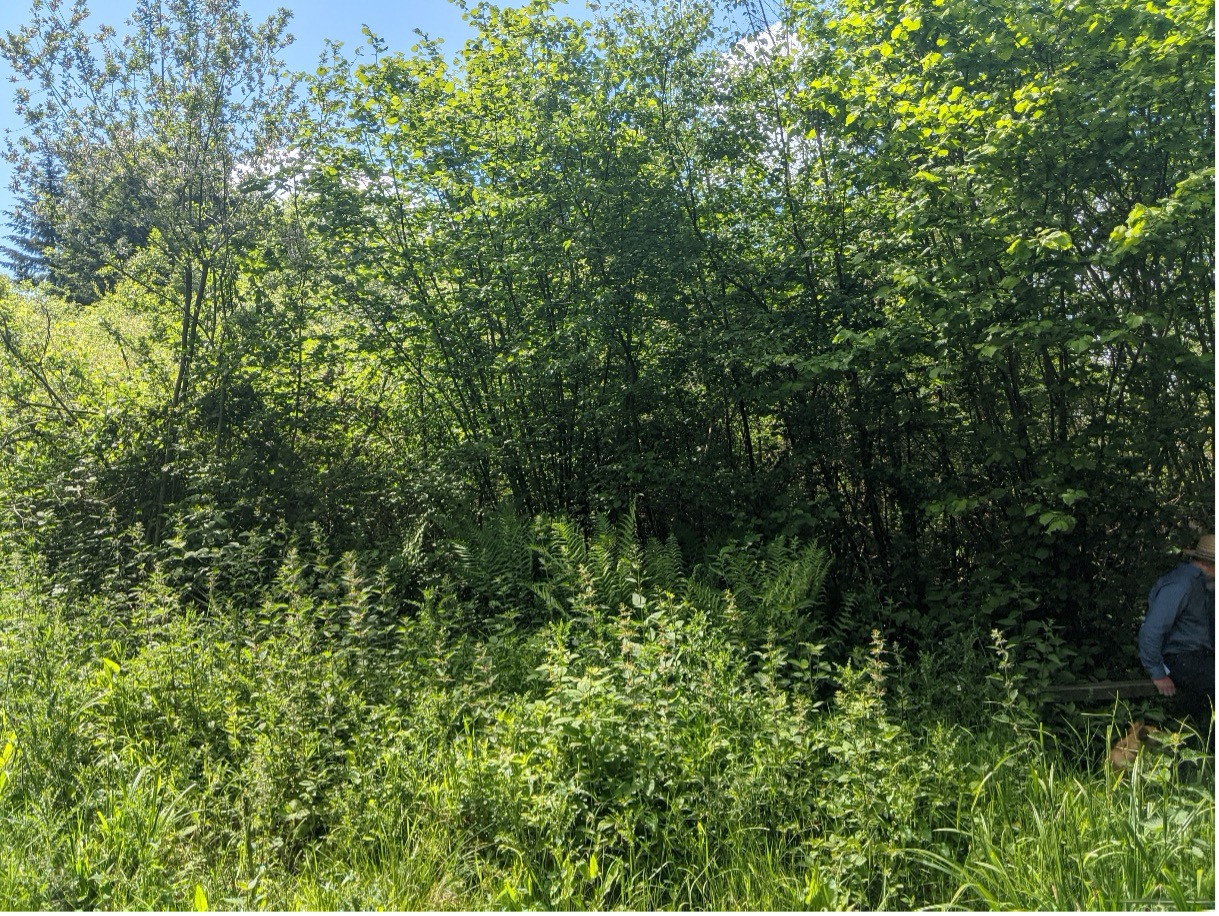
One unusual product is Birch coppice. Birch grows naturally within the site and is not cultivated. However, a contractor harvests it as trunks with foliage, which are used for horse jumps in eventing. There is a demand for this throughout the UK and the continent. The poles, which are in essence a weed, are sold for 10p per bundle of 100, and this generates about £3000 each year.
Haugh Woods is open to the public with constant access. This does present some management challenges, including keen mountain bikers creating tracks which can cause damage to the soil. Another challenge comes from the perennial problem of squirrels. They can decimate otherwise healthy trees in a matter of weeks. One observation David has made is that where kestrels are present, squirrels seem reluctant to nest. It may be the threat of an attack deters them.
The day involved good discussion and informed debate with some of those attending being particularly knowledgeable. An excellent start to the year.
Article supplied by Mark Chester.
Other Images