Diagnosing Herbicide Damage To Trees
By Dr Glynn Percival
Bartlett Tree Research Laboratory, Shinfield, University of Reading
Herbicides are an integral part of landscape maintenance within UK towns and cities and within publicly and privately owned gardens. However, over the past few years the Bartlett Tree Research Laboratory (BTRL) has recorded an alarming rise in the number of malicious herbicide poisoning of trees. Indeed in 2019 alone BTRL staff were involved in five expert witness court cases concerned with malicious herbicide poisoning and subsequent death of mature trees. Aims of this article are to highlight key factors professionals involved with urban tree care should be aware of when diagnosing herbicide damage in trees with a focus on the herbicide glyphosate.
Introduction
Herbicides have now become an integral part of landscape maintenance within UK urban landscapes to include publicly and privately owned gardens. For example, it is estimated over ₤100 million was spent on “weed and feed” herbicide products in 2014 by private homeowners to keep lawns free of broadleaf weeds such as buttercup, daisy, groundsel, chickweed etc. Herbicide weed control is also still the primary method of vegetation management in industrial areas, car parks, under power lines, along highways and other non-cropland areas, as herbicides are generally more cost effective and efficient compared to hand, mechanical, flame or steam methods of weed control. Over the past five years, however, the Bartlett Tree Research Laboratory has been involved in an ever increasing frequency of malicious poisoning of mature trees by members of the general public. Possible reasons for this increase include the ease by which members of the public can now purchase highly concentrated or neat forms of herbicides such as glyphosate via the inter-net. Previously, neat herbicides were only available to workers with recognized spray qualifications such as PA1 and PA6. Many U-Tube videos now exist showing how to effectively inject herbicides, especially glyphosate, into trees and at what concentration to inject to ensure a total kill.
Types of Herbicide
Herbicides are classified by i) the kinds of plants (dicotyledons, monocotyledons) they target and ii) when they are applied (pre-emergent i.e. before weeds are present) or post-emergent i.e. when weeds are visibly present). Post emergent herbicides are further classified on whether they are selective (kill only specific weeds), non-selective (kill all weeds), contact, residual or systemic. Non-selective herbicides can then be further classified depending on their mode of action such as protein/lipid inhibitors, effects on plant hormonal system such as auxin or gibberellins etc.
Pre-Emergence Herbicides
Pre-emergence herbicides are mainly residual herbicides that create a chemical or physical barrier on the soil surface which disrupt weed seed germination or kill emerging weed seedling. The following herbicides are registered for pre-emergent control of weeds around trees in urban landscapes. The names in parenthesis are some of the trade names these herbicides are sold under:
Flazasulfuron (Paradise, Chikara)
Propyzamide (GemStone, Kerb Pro Flo, Kerb Granules, Propyz) – A residual amide herbicide
Napropamide (Devrinol)
Isoxaben (Flexidor 125)
Metazachlor (Sultan)*
* Also has post emergent activity
Pre-emergence herbicides are generally not absorbed by roots and therefore safe to use around most trees irrespective of species. Despite this, pre-emergence herbicide labels should always be consulted prior to use. Drift contacting foliage can cause injury on nearby trees especially if their foliage is wet. Some pre-emergence herbicides may cause injury on trees if applied at exceptionally high rates (Photograph 1). Herbicide damage to urban trees through the use of pre-emergent herbicides is, however, rare and where damage does occur most trees generally have the capacity to recover from injury. The length of soil residual activity varies depending on several factors such as photo-degradation (exposure to sunlight), soil microbial degradation, solubility and volatilization. As a general rule 6 to 18 months of residual activity tends to be the “norm”.
Post-Emergence Herbicides
Post-emergence herbicides are applied after weeds have emerged. Post emergence herbicides are either, selective or non-selective and can be foliar or root absorbed, contact or systemic.
Selective herbicides
Selective herbicides control specific weed species, while leaving the desired crop unharmed. Within urban landscapes selective herbicides are extensively used for grassland/lawn management. These herbicides kill broadleaf (dicotyledonous) plants but are safe on most grass (monocotyledonous) species. Selective herbicides are referred to as growth regulator or hormonal type herbicides because their chemistry resembles naturally occurring growth regulators in plants. These herbicides are the principal ones that are mixed with fertilisers to form the "weed and feed" products commonly sold in supermarkets and garden centres throughout the UK. Examples of selective herbicides registered for weed control around trees in urban landscapes include:
2,4-D (Agricorn D 11, Depitox) – A translocated phenoxy herbicide
Dicamba (IT Dicamba) – A hormonal growth regulator herbicide
Dichlorprop-P (2,4-DP) - A hormonal growth regulator herbicide
MCPA (Agricorn 500 11, Agroxone) – A translocated phenoxyacetic herbicide
Mecoprop-P (MCPP, Landgold Mecoprop-P, Clovotox) – A translocated phenoxypropionic herbicide
Clopyralid (Blaster Pro)
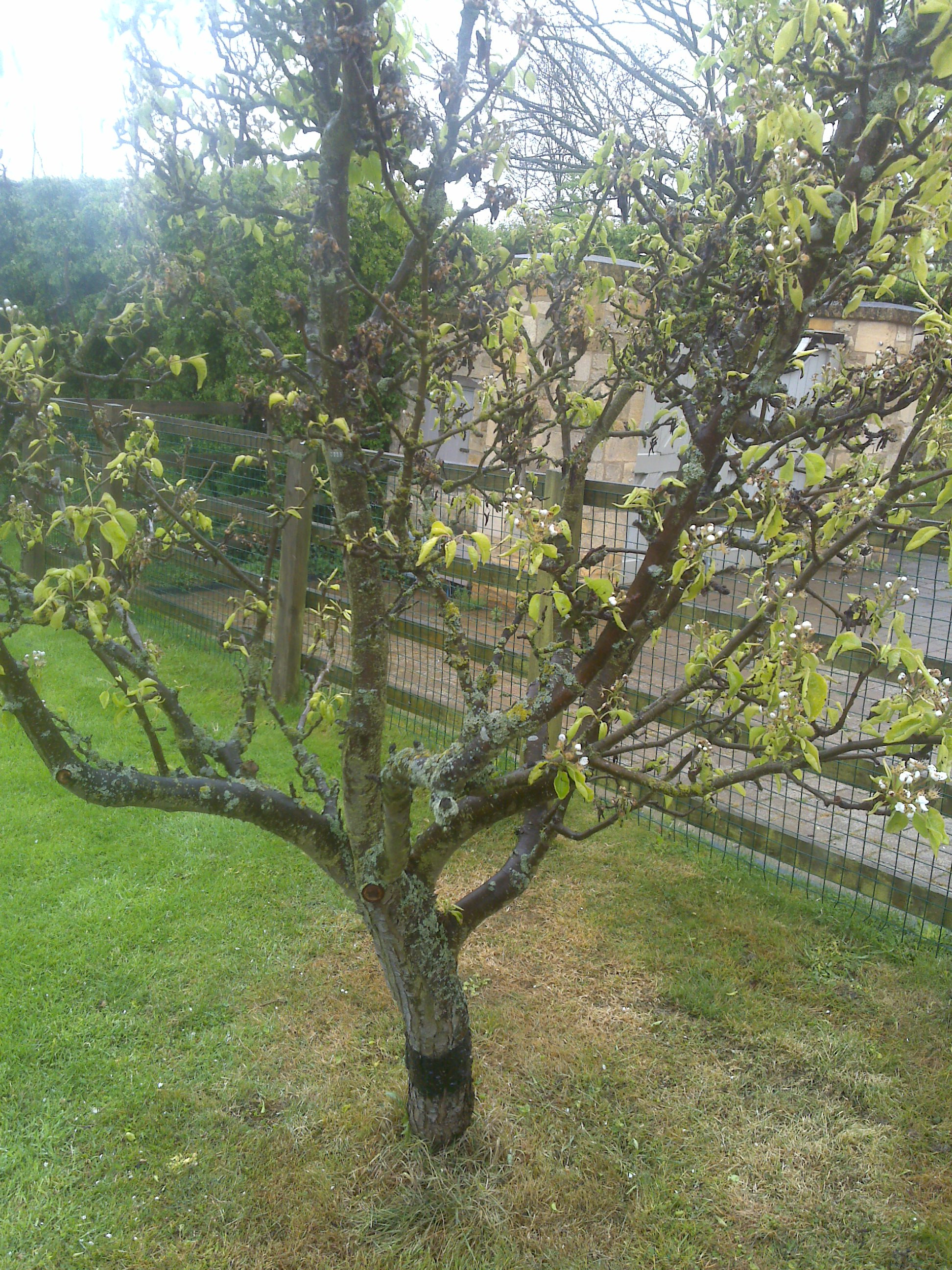
At rates recommended for broadleaf weed control, these herbicides are not root active and their persistence in soil is generally less than one month with the exception of dicamba (3-4 months). Consequently, selective herbicides seldom injure trees when applied at their labeled rates and frequency. If drift from these herbicides comes into contact with non-target tree foliage, leaf distortion and browning can occur. Likewise on warm days (>26oC) certain formulations of selective herbicides can volatilize into a gaseous state and cause leaf injury to near-by trees. However most tree species can tolerate this form of injury and recover without any major detrimental effects on growth unless exceptionally high rates of herbicide were applied. In this instance selective herbicides can be absorbed through tree roots and cause severe injury. Shallow-rooted species and deciduous hardwoods are most sensitive while conifers tend to be more resistant. Similarly, applying selective herbicides on a too frequent basis, for example to ensure a weed free lawn (Photograph 2), can cause decline and death of sensitive tree species such as Japanese maple, Malus and Sorbus.
Non-selective herbicides
Non-selective or total herbicides are used to clear waste ground, industrial and construction sites, railways and railway embankments etc., as they kill all plant material with which they come into contact. Non-selective herbicides are absorbed through the plant foliage and have little or no root activity. These materials are safe around trees as long as drift does not contact the foliage, green bark or suckers. Non-selective herbicides tend to fall into one of two classifications:
Contact herbicides
Contact herbicides work by scorching or burning any foliar tissue they come into contact with. Contact herbicides that are registered for weed control around trees in urban landscapes include:
Pelargonic acid (Finalsan)
Acetic acid (New Way Weed Spray)
Contact herbicides whilst disfiguring to a tree (Photograph 3) rarely result in tree death unless repeat sprays are applied over 2-3 years.
Systemic herbicides
Systemic herbicides are absorbed by foliage or roots and translocated through-out the entire tree. Systemic herbicides registered for weed control around trees and for stump killing in urban landscapes include:
Glyphosate (Roundup, Ecoplug Max)
Pyraflufen-ethyl*
Triclopyr*
* Can only be used in combination with glyphosate and not as stand-alone herbicides.
In most cases herbicides are sold as combinations of pre, post emergence, contact and systemic. Some examples include glyphosate + 2,4-D, clopyralid + triclopyr, dicamba + MCPA + Mecoprop-P, triclopyr butotyl + clopyralid.
Herbicide Chemistry/Mode of Action
It is beyond the scope of this article to cover in detail all the modes of action by which herbicides cause plant death. However, the five commonest modes of action include:
1. Hormonal herbicides such as 2,4-D, clopyralid, which mimic the plant growth hormone auxin causing uncontrolled and disorganized growth.
2. Mitosis inhibitors, which prevent re-budding in spring and new growth in summer.
3. Photosynthesis inhibitors, which block specific reactions in photosynthesis leading to cell breakdown
4. Amino acid synthesis inhibitors (glyphosate), which prevent the synthesis of amino acids required for construction of proteins
5. Lipid biosynthesis inhibitors, that prevent the synthesis of lipids required for growth and maintenance of cell membranes.
For detailed information see: https://www.intechopen.com/books/herbicides-physiology-of-action-and-safety/modes-of-action-of-different-classes-of-herbicides
SYMPTOMS OF HERBICIDE INJURY
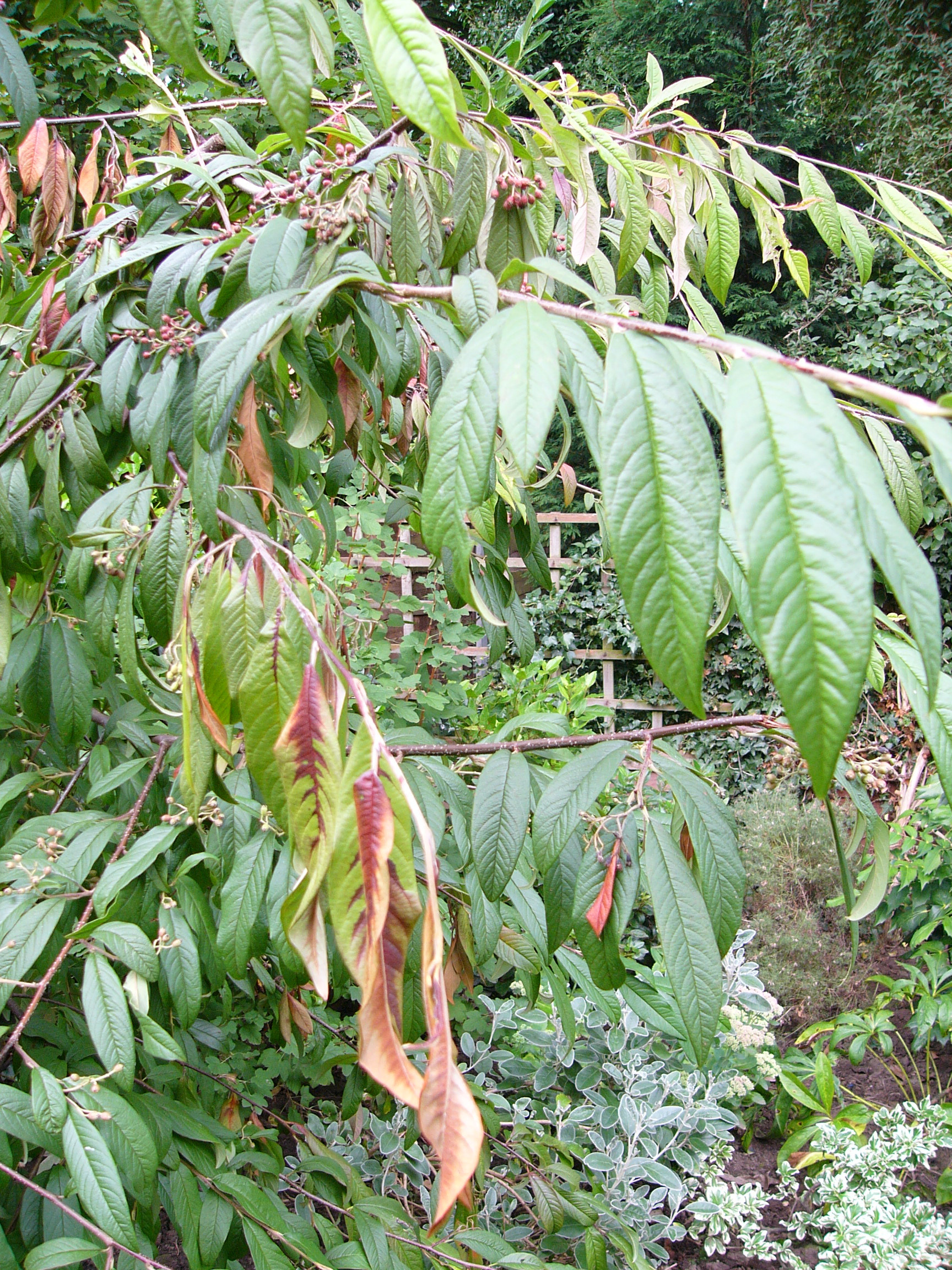
Symptoms of herbicide injury can vary considerably depending on the herbicide mode of action and dose rate. For example glyphosate applied at a low dose rate can act as a growth regulator and mimic damage caused by selective herbicides such as 2, 4-D or Mecoprop-P (Photograph 4). Likewise other adversities (salt, drought, fungal diseases etc.) can produce similar symptomatology to low dose herbicide injury. However, in general, herbicides with the same mode of action produce similar injury symptoms, because the outward appearance of injury is a function of herbicide effect on the plant at the cellular level. Therefore, we can, to a degree, relate certain symptoms as belonging to a specific herbicide classification (Table 1):
TABLE 1: HERBICIDE CLASSIFICATION BASED ON VISIBLE SYMPTOMOLOGY
|
Herbicide Symptoms |
||
|
Selective |
Contact |
Systemic |
|
Leaf distortion |
Brown/black spots or blotches where herbicide droplets come into contact with leaf foliage |
General, interveinal and mottled leaf chlorosis/necrosis |
|
Leaf bleaching |
Leaf browning and dieback, usually restricted to only herbicide contacted areas of the tree foliage. |
Yellow leaf spotting |
|
Cupping/curling |
|
Purpling of the leaves |
|
Abnormal elongation of leaf margins (epinasty) |
|
Stem/branch dieback |
|
Leaf venation |
|
Bark splitting |
|
Twisted and/or flattened shoots especially on current seasons growth |
|
Mortality |
Glyphosate
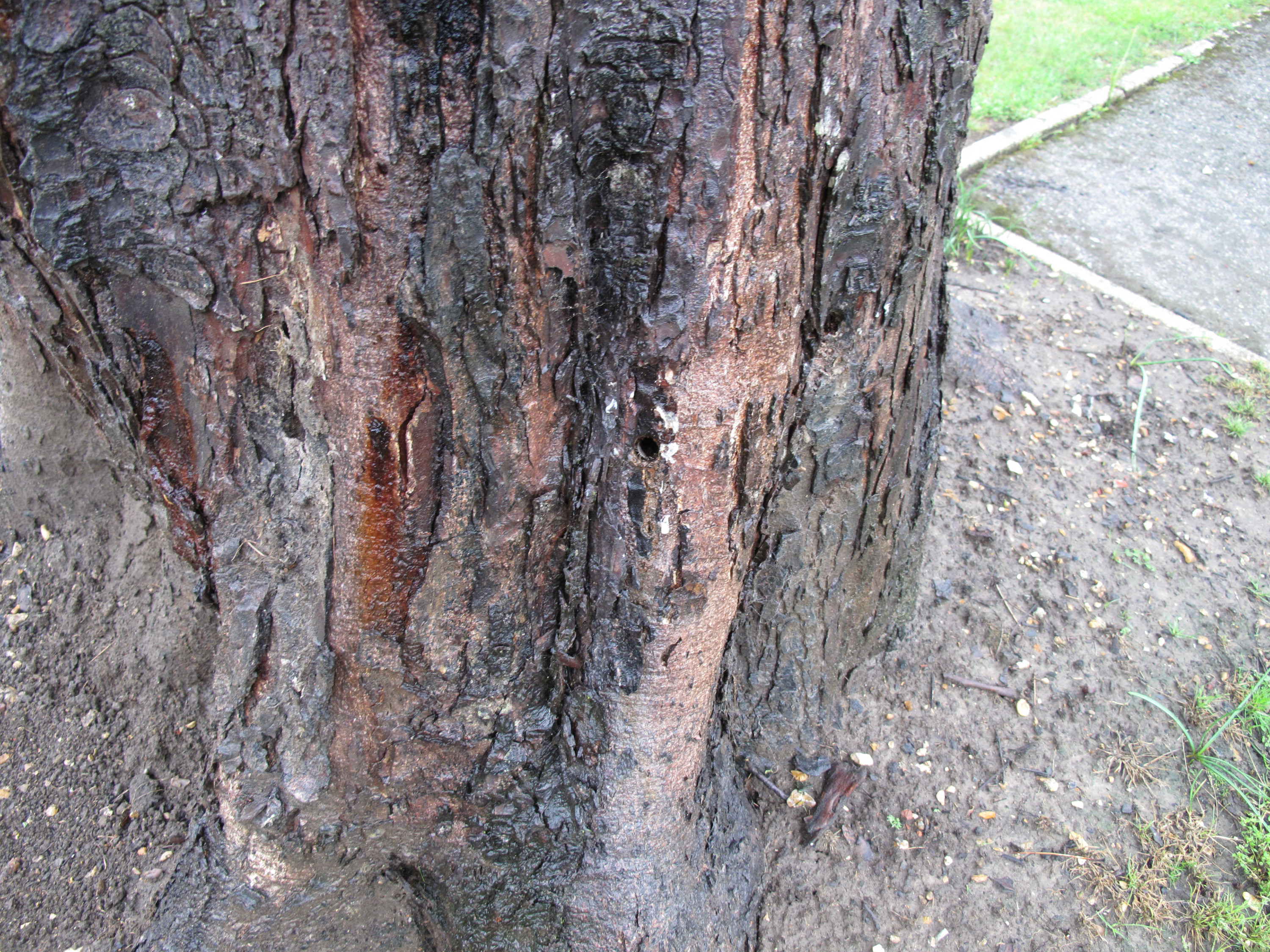
In all expert witness cases the BTRL has been involved with to date, glyphosate has been shown to be the “herbicide of choice” used to maliciously poison trees. Several possible reasons for this exist. Neat glyphosate can be purchased on line by members of the public with or without the addition of an adjuvant (an adjuvant is a product added to glyphosate to increase efficiency i.e. oils, surfactants, stickers). Within the UK the most common formulation available is 360 g glyphosate per litre. Glyphosate is normally applied as a foliar spray where it is rapidly absorbed and transported through-out the entire tree. Glyphosate inhibits a plant enzyme involved in the synthesis of amino acids. Glyphosate can also be absorbed minimally through roots as glyphosate adsorbs strongly to soils and is degraded by soil microbes. At normal diluted quantities it is highly unlikely that any form of glyphosate poisoning via the roots would exist. If neat glyphosate that does not represent normal use patterns was drenched around the root system of a tree however, then poisoning via the roots is possible. The most common method observed by the author in virtually all cases of malicious poisoning has by drilling holes at the base of the tree and/or into the tree trunk and neat glyphosate poured directly into the holes (Photograph 5). Rapid absorption is then achieved because i) glyphosate is a small molecule, ii) glyphosate is commonly applied in a salt form readily taken up by plants and iii) glyphosate generally contains an additive to improve its solubility. Due to these properties glyphosate is rapidly translocated (moved through-out) a tree into leaves, stems and roots. Depending on the size of the tree and weather conditions glyphosate takes 4-20 days to be completely distributed through-out a tree. Decline and death then occur over the following 2-8 weeks depending on weather conditions (hotter drier conditions promote a quicker tree decline and death; Photograph 6). Indeed administration of glyphosate as a trunk injection is widely recognised as an effective methodology of killing trees and widely adopted in vegetation clearance schemes world-wide.
DIAGNOSIS
Individuals may be able to confirm or discount the possibility of herbicide injury by examining plant symptoms and injury progression. Other information such as type of herbicides used and history (the author has one case of excessive use of selective herbicide usage causing tree decline), herbicide rates and application timing (injury is greater in spring/summer compared to autumn when trees are preparing to enter dormancy), injury patterns, tree species affected (ornamental tree species i.e. Japanese maples tend to be more sensitive than native UK species), weather data, and soil conditions (the higher the soil organic matter content the greater the soil adsorption of herbicides and therefore less damage to the tree) are important to know if investigating a suspected tree poisoning.
Based on the authors experience to date the following approach is recommended when investigating any suspected/malicious poisoning.
1. Determine the timeline of tree decline and death. A rapid decline in tree health i.e. weeks or months is associated with herbicide application. No natural and/or climatic factor exists that would cause such a rapid decline in tree health and death within such a short time frame.
Whilst it is appreciated urban landscapes/private gardens can create an environment that is naturally hostile to tree biology (soil compaction, waterlogging, drought, de-icing road-salts) the timeline for tree decline and death caused by these problems is generally 2-5 years.
To put into context Dutch Elm Disease, the most devastating disease UK trees have ever encountered would take a minimum of 6 months to kill a mature Elm tree with the “norm” being 2 years
2. If the tree is not dead look for symptom patterns and document/photograph the severity of symptoms. Patterns of injury may help identify the type of herbicide used (Table 1). Photograph 7 for example shows the uptake of a rot applied herbicide as observed by burn under the bark tissue. Photograph the tree from all angles. Continue to report and photograph symptoms through-out the growing season if possible. Take a large number of quality photos including close-up photos. Record the date and location of each photo. Aerial photos may also help to show the pattern and severity of herbicide damage.
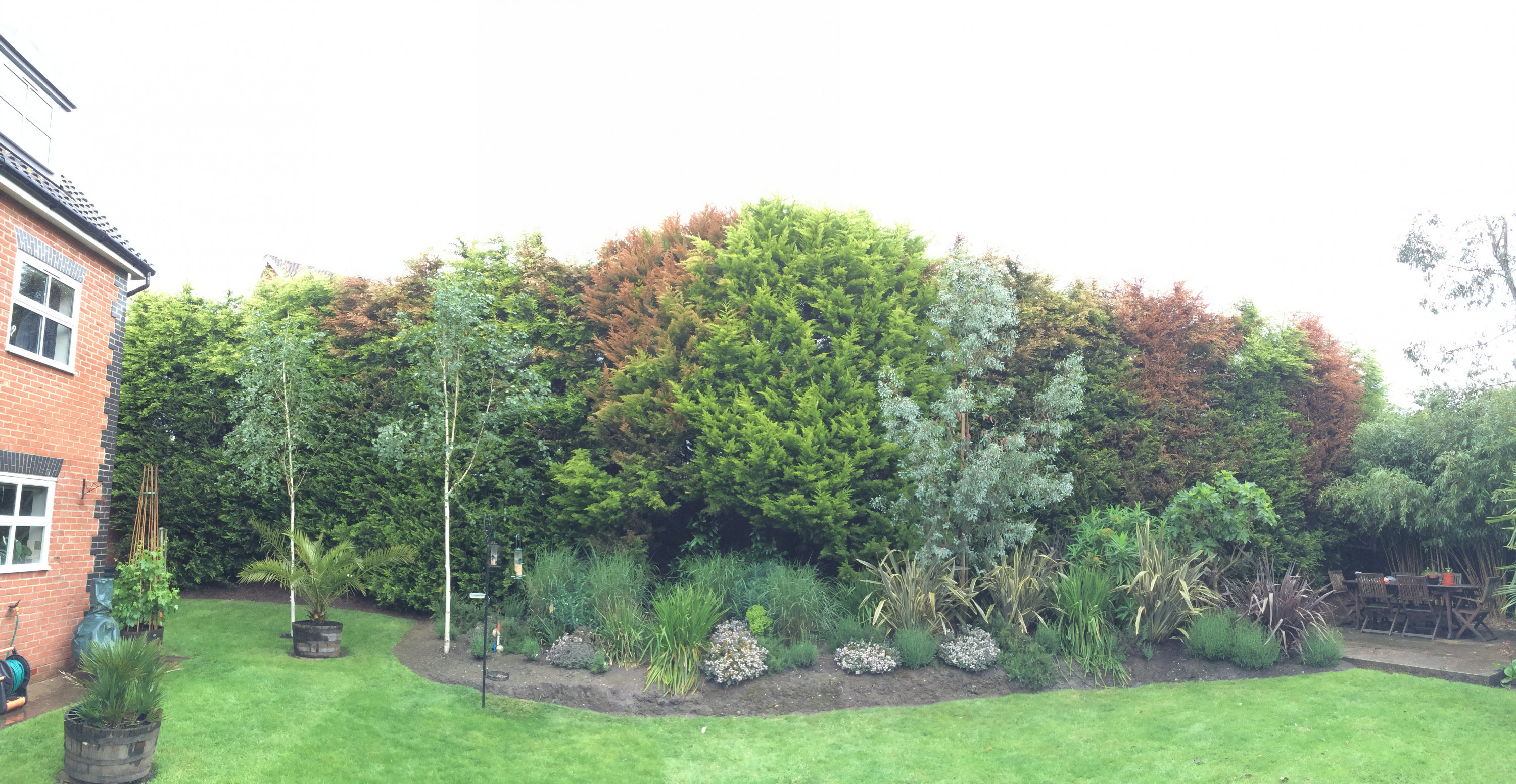
3. Observe adjacent plants. Glyphosate contaminated soil will detrimentally influence surrounding plants i.e. if you suspect herbicide damage on a specific plant, it is likely that adjacent plants will show similar symptoms within the same time frame (Photograph 8). Most herbicides used in urban landscapes can move in the soil, especially in the direction of water flow.
3. Inspect for drill holes and/or wounds exuding resin. These wounds tend to be black in colour. Measure the size of the drill holes to negate the possibility of tree decline by naturally occurring bark boring beetles.
4. Collect bark/shoot/twig samples*. Ideally tree tissue that is dying rather than dead. If the tree is dead collecting tissue samples is still worthwhile. Focus sample collection around any drill hole sites. Sample plant tissue from areas where symptoms are intense. Plant tissue samples should be packed in dry ice and sent to a reputable analytical laboratory immediately after sampling.
5. Collect soil samples* from 0.5 metres away from the tree trunk. Collect soil from around the trunk i.e. north, south, east and west. It is extremely important soil samples are collected! Depending on soil type (clay, loam, sand etc) glyphosate can still be detected in soils up to 200 days after application. Collect soil samples to a depth of 30 cm. Aim not to sample too deep because it may dilute any herbicide residues.
*For court cases positive confirmation of the actual herbicide used to kill/damage a tree requires laboratory testing of live/dying/dead tissue and/or soil. Use an officially recognized analytical laboratory for this purpose else submitted evidence may not be recognized by the court. Although chemical analysis is expensive it is the only means to provide a positive identification of some of the herbicides that damage plants. In addition ensure continuity of samples can be proved from collection, to posting, to receipt by the laboratory.
6. Observe surrounding trees especially if they are of the same species for any forms of pest and disease ingress. Such information will prove useful if asked in a court of law whether decline was caused by a naturally occurring biological agent rather than an herbicide.
Common questions asked in a court of law
Are you able to provide a time line to this activity? i.e. When the tree was most likely poisoned?
This is where knowledge of the time line of decline/death is important. As a potential estimate glyphosate takes 4-20 days to be distributed through-out a tree with decline and death occurring over 2-8 weeks.
The other factor that can help provide a timeline is the concentration of glyphosate recorded within branch/twig tissue. Although many studies exist determining the efficacy of glyphosate to kill trees, few studies have focussed on how quickly glyphosate is broken down within tree tissue once injected. Of that available results indicate that a 50% breakdown occurs every 15 days*. For example if stem tissue contains 2000 parts per million (ppm) then 15 days later the amount recorded would be 1000 ppm. Consequently, once an initial level within branch/twig tissue by a laboratory has been determined then the original amount injected can be estimated provided the date of suspected poisoning is known. In one expert witness cases it was estimated the quantity of glyphosate originally injected into the tree was close to 100 times higher than the amount recorded.
*It is important to emphasise that this timeline of glyphosate breakdown within branch/twig is based on limited literature from studies using non-native UK trees.
At what concentration does glyphosate kill trees?
Depending on tree species a total kill occurs at levels between 200 and 4800µg/kg dry weight. However these levels are estimated from primarily crop plant research. Limited information exists as to the actual glyphosate concentration resulting in decline and/or death of trees and how widely this varies between species.
Could the tree recover from this unauthorised activity?
Trees possess a strong ability to breakdown herbicides within woody tissue and recover from injury symptoms. Consequently, it is not uncommon for trees affected by herbicide to recover, even with the occurrence of considerable dieback. This is because trees have the ability to store carbohydrates within trunk and root tissue to allow for a second re-flush of leaves and have protected meristems in dormant buds that are resilient to higher glyphosate levels. Other factors that influence recovery include tree vigour at the time of herbicide application, the amount of herbicide applied and growing conditions after application. It is advisable therefore to allow the tree one year to recover to fully determine the extent of damage and then based on damage observed the following year make an informed decision as to whether the tree is salvageable or should be removed.
Could ‘innocent’ usage of glyphosate as a garden management product lead to the results found by the laboratory? OR If glyphosate is present, is this natural or introduced by a third party to the tree?
Knowledge of soil glyphosate and AMPA, (Aminomethylphosphonic acid) concentrations taken on the day is vital to answer this question. AMPA is one of the primary degradation products of glyphosate which has a toxicity comparable to that of glyphosate so is considered to be of similar toxicological concern. Importantly while glyphosate is rapidly broken down in soil AMPA is not. Due to the excessive use of glyphosate in urban landscapes then most, if not all, urban landscape soils will naturally contain small concentrations of glyphosate (0.5-20 µg per kg of soil) and AMPA (6-50 µg per kg soil). Consequently values over these thresholds should be viewed with suspicion. Indeed, in a recent expert witness case by the author, a soil glyphosate of >1000µg/kg and AMPA >2000 µg/kg was recorded and this was after the soil had been diluted five-fold as the soil sample submitted was beyond the calibration rage of the analytical laboratory. Consequently, it was concluded that to achieve such unnaturally high levels of glyphosate and AMPA in the soil then these products must have been introduced by a third party.
Can you identify the chemical and confirm whether it a readily available chemical available to the public to buy over the counter?
The analytical technique used to quantify the levels of glyphosate and AMPA rely primarily on Gas Chromatography Mass Spectra that is regarded as “state of the art”. If any other type of herbicide was used this can also be detected and quantified by the analytical technique used. Glyphosate is readily available to members of the general public to purchase in, for example, garden centres, supermarkets or on line. Glyphosate can be purchased neat (360 grams per litre) or in a diluted form (2-10 grams per litre) that can be applied directly to plant foliage or injected into a tree.
Are there any long-term effects of glyphosate if the tree recovers?
Glyphosate can significantly damage the overall health of a tree. Glyphosate interferes with uptake of several important micronutrients, including manganese, zinc, iron and boron, elements that help support the tree's ability to resist disease. As a result, glyphosate can increase susceptibility to several fungal diseases, including root rots (Phytophthora, Armillaria), wilt (Ceratocystis spp.), rust and Anthracnose. Glyphosate also reduces the cold hardiness of trees and their ability to survive drought.
REMEDIAL TREATMENT OF HERBICIDE INJURED TREES
Short term (3-4 weeks after herbicide application)
Irrigating and/or spraying the plant with water can aid recovery by leaching root-active herbicides away from the root zone. However, care should be taken not to wash herbicide residues into the root system of nearby uncontaminated plants. Likewise, activated charcoal or biochar incorporated into the soil may help bind herbicide residues and minimize injury. Activated charcoal/biochar must be applied as soon as possible following herbicide poisoning, preferably at the early onset of symptoms. If tree roots absorb an herbicide and extensive damage is visibly evident, activated charcoal or biochar will be of little value. Activated charcoal/biochar is applied at 150 times the amount of the active ingredient per 4000 sq metre (1 acre) of the applied herbicide. For example, if 100g active ingredient of an herbicide were applied per acre, then 100 x 150 or 6kg of activated charcoal/biochar would be necessary to deactivate the residue. For best results, activated charcoal/biochar should be soil incorporated by air-spading or Vogt soil injection into the upper 30 cm of soil, and/or by mixing with water and injecting as a slurry using a high pressure lance. Herbicides which have shown to be effectively adsorbed by activated charcoal/biochar include: 2,4-D, atrazine, amitrole, dicamba, dichlobenil, chlorthal-dimethyl, diuron and picloram.
Applications of sugars such as sucrose and glucose to trees as a root drench or soil injection have been shown to confer a degree of tolerance to some herbicides such as atrazine by maintaining levels of leaf chlorophylls, carotenoids and photosynthetic efficiency. Evidence to support the use of sugars to enhance recovery of herbicide damaged trees was provided in 1989 when the Treaty Oak* was poisoned with a powerful hardwood-herbicide known as hexazinone. Laboratory testing showed the quantity of herbicide used was sufficient to kill 100 trees. Efforts to save the Treaty Oak included the replacement of soil around its roots, fertilisation and the installation of a system to mist the tree with spring water. In addition the tree was trunk injected with sugars. The Treaty Oak survived and still stands today although more than half of its crown has had to be pruned (Dr Todd Watson, University of Texas A&M, personal communication). In the case of herbicide poisonings apply sugar at 50 g per litre of water per square metre of soil under the canopy. Calculate the area under the canopy using the equation πr2 i.e. 3.14 x radius x radius. Consequently if the area under the canopy is ten square metres then drench with ten litres of water containing 500g of dissolved sugar.
* The Treaty Oak (Quercus virginiana) is the last surviving member of the Council Oaks, a grove of 14 trees that served as a sacred meeting place for Comanche and Tonkawa tribes prior to European settlement of the area. The Treaty Oak is located in Austin, Texas, US.
Long Term
If branch dieback results after herbicide application, pruning should be delayed for a least a year to fully assess the extent of the injury. This will avoid additional pruning of dead branches that may result from continued decline. However, immediate pruning maybe necessary if dead branches pose a danger to traffic, individuals, pedestrians, or property.
If signs of tree recovery become apparent then “light” fertilising in conjunction with mulching and sugar application are advisable to aid in the recovery process. If the poisoned tree bears an edible crop, eating the fruit or nuts is not advised in the first year after recovery due to herbicide residues within the fruit.
If tree removal is required then replanting the site should be attempted only after herbicide residues have degraded (further soil analysis maybe required for this purpose) or if contaminated soil is removed and replaced with fresh soil.
Select references to support this article
De María, N., Jose, M.B., Jose, I., Plazola-G., Hernandez, A., De Felipe, M.R., Pascual, M.F., 2006. New insights on glyphosate mode of action in nodular metabolism: Role of shikimate accumulation. Journal of Agricultural Food Chemistry 54, 2621-2628.
Huber ,D.M., 2006. Strategies to ameliorate glyphosate immobilization of manganese and its impact on the rhizosphere and disease. In: Lorenz N, Dick R (eds) Proceedings of the glyphosate potassium symposium 2006. Ohio State University, AG Spectrum, DeWitt, Iowa.
Kristoffersen, P., Rask, A.M., Grundy, A.C., 2008b. A review of pesticide policies and regulations for urban amenity areas in seven European countries. Weed Research 48, 201-214.
Meuser, H., 2010. Contaminated Urban Soils, Springer, Netherlands, pp 299-318
Percival G.C. (2017). Evaluation Of Glyphosate Tolerance in Three Acer Genotypes. The Influence Of Photo-Oxidative Pigments, Reactive Oxygen Scavenging Enzymes and Secondary Stress Metabolites Within Leaf Tissue Urban Forestry Urban Greening. 24: 19-25.
RED Facts: Glyphosate; EPA-738-F-93-011; U.S. Environmental Protection Agency, Office of Prevention, Pesticides, and Toxic Substances, Office of Pesticide Programs, U.S. Government Printing Office: Washington, DC, 1993.
Scribner, E.A., Battaglin, W.A., Gilliom, R.J., Meyer, M.T., 2007. Concentrations of glyphosate, its degradation product, aminomethylphosphonic acid, and glufosinate in ground- and surface-water, rainfall, and soil samples collected in the United States.. US Geological Survey Scientific Investigations Report 5122 pp. 111.
Tong et al., (2017). Uptake, Translocation, Metabolism, and Distribution of Glyphosate in Nontarget Tea Plant (Camellia sinensis L.). Journal of Agriculture and Food Chemistry. 65:35 pp 7638-7646.
Wendell, G., and Kochenderfer, J. 1982. Glyphosate controls hardwoods in West Virginia. USDA For. Serv. Res. Pap. NE-497.
Other Images